Introduction
Late spring is a tricky but rewarding time for bass fishing. Water temperatures are rising, baitfish are becoming more active, and bass are shifting from spawning areas toward early summer feeding patterns. Sounds simple enough, right? Well, not exactly.
A lot of anglers head out expecting nonstop action only to end up frustrated after hours of casting with little to show for it. The truth is that bass behavior changes quickly during late spring, and what worked a few weeks ago may suddenly stop producing fish.
If you've ever wondered why you're marking fish but not getting bites, or why your favorite spring lure suddenly feels useless, chances are you're making one of a handful of common mistakes.
In this guide, you'll learn the five late spring bass fishing mistakes that cost anglers more fish and how to fix them immediately. Whether you fish lakes, ponds, reservoirs, or rivers, these tips can help you consistently catch more bass during one of the most overlooked transitions of the year.
What Makes Late Spring Bass Fishing Different?
Before diving into the mistakes, it's important to understand what happens during late spring.
During this period, bass are typically transitioning out of the spawn and entering a feeding phase. Water temperatures often range between 65 and 75 degrees depending on location. Some bass are recovering from spawning stress, while others are already moving toward deeper structure and summer patterns.
This creates several challenges:
- Bass may feed aggressively one day and become inactive the next
- Fish are scattered instead of grouped tightly
- Weather changes can dramatically affect feeding behavior
- Shallow and deep fish may both be active at the same time
Because of these changing conditions, anglers need to stay flexible.
Now let's break down the biggest mistakes.
1. Fishing Too Fast
One of the most common late spring bass fishing mistakes is retrieving lures too quickly.
Many anglers assume warming water automatically means aggressive bass. While bass do become more active in late spring, they are not always willing to chase fast moving baits all day long.
Post-spawn bass often recover slowly after spawning. They may suspend around cover, grass edges, docks, or transition zones and prefer an easy meal rather than burning energy chasing bait.
Why Fast Fishing Hurts Your Success
When you fish too fast:
- Bass get less time to react
- Your lure leaves the strike zone too quickly
- Finesse opportunities disappear
- Inactive fish ignore your presentation
This especially hurts during cold mornings or after weather fronts.
Better Approach
Slow down and experiment with your retrieve speed.
Effective late spring techniques include:
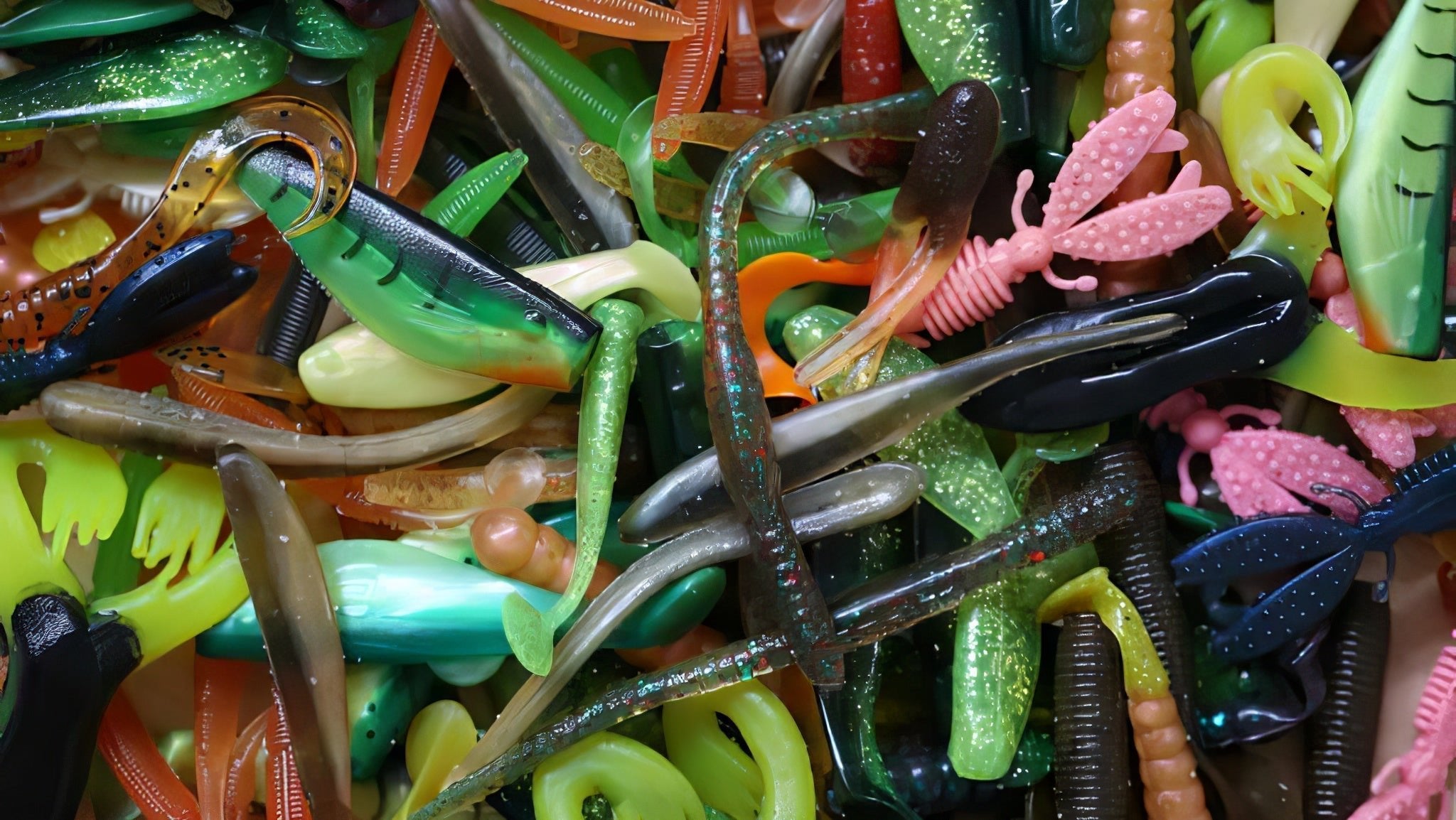
- Texas rigged worms
- Wacky rigs
- Jigs
- Slow rolled spinnerbaits
- Weightless soft plastics
Pause your lure occasionally and let it sit near cover. Sometimes a bass needs a few extra seconds before committing.
Pro Tip
If you're unsure about retrieve speed, start slower than you think necessary. You can always speed up later.
2. Ignoring Transition Areas
Another major mistake is staying locked into shallow spawning flats long after bass have started moving away.
Late spring is all about transition zones.
Bass rarely move directly from spawning beds to deep summer water in one step. Instead, they use staging areas that provide food, cover, and access to multiple depths.
Common Transition Areas Include
- Secondary points
- Creek channel bends
- Grass lines
- Dock edges
- Rock piles
- Drop offs near spawning coves
Anglers who ignore these areas often spend too much time casting at empty shallow water.
How to Find Transitioning Bass
Look for routes bass naturally use to move between shallow and deeper water.
A few key clues include:
- Nearby baitfish activity
- Submerged vegetation
- Changes in bottom composition
- Shade and current breaks
Electronics can help, but even bank anglers can identify productive transition areas visually.
Best Lures for Transition Areas
Some reliable options include:
- Crankbaits
- Swim jigs
- Carolina rigs
- Chatterbaits
- Soft jerkbaits
These lures allow you to cover water while targeting fish moving between zones.
3. Using Only One Type of Lure
A lot of anglers become attached to one confidence bait during spring. Maybe it's a spinnerbait, a frog, or a favorite crankbait. The problem is that late spring bass behavior changes quickly throughout the day.
What works in the morning may fail completely by afternoon.
Why Versatility Matters
Late spring bass can shift based on:
- Water temperature
- Sunlight
- Fishing pressure
- Wind
- Forage movement
If you refuse to adapt, you'll miss opportunities.
For example:
- Bass feeding shallow early may move deeper under bright sunlight
- Wind can activate moving baits
- Calm conditions may require finesse presentations
Build a Simple Rotation System
Instead of relying on one lure, rotate through categories:
Search Baits
Use these to locate active fish.
Examples:
- Spinnerbaits
- Lipless crankbaits
- Chatterbaits
Reaction Baits
Great for triggering aggressive strikes.
Examples:
- Squarebill crankbaits
- Jerkbaits
- Swimbaits
Finesse Baits
Perfect for pressured or inactive bass.
Examples:
- Ned rigs
- Drop shots
- Wacky worms
Having multiple options allows you to adapt instead of forcing one pattern all day.
4. Fishing the Same Depth All Day
Depth control is one of the biggest factors in successful bass fishing.
Yet many anglers make the mistake of fishing either shallow or deep exclusively.
Late spring bass are constantly moving based on conditions.
Why Bass Change Depth
Several factors influence bass positioning:
- Water temperature
- Oxygen levels
- Sun angle
- Boat traffic
- Wind direction
- Baitfish movement
Bass may feed shallow during low light and slide deeper once the sun gets high.
Signs You're Fishing the Wrong Depth
Watch for these warning signs:
- Follows without bites
- Short strikes
- No activity despite visible baitfish
- Empty electronics readings
If you're not getting bites within a reasonable time, change depth before changing locations entirely.
Effective Depth Strategy
Start shallow early in the day.
Then gradually work deeper as conditions change.
A smart progression might look like:
- Early morning shoreline cover
- Mid depth grass lines
- Offshore points and ledges by midday
This simple adjustment alone can dramatically increase catch rates.
5. Overlooking Weather Changes
Weather has a huge impact on late spring bass fishing.
Unfortunately, many anglers underestimate how quickly bass react to changing conditions.
Common Weather Mistakes
Anglers often ignore:
- Falling barometric pressure
- Cold fronts
- Wind shifts
- Cloud cover changes
- Sudden temperature swings
Late spring weather can be unpredictable, and bass behavior often changes with it.
How Weather Affects Bass
Cloudy Conditions
Bass often roam and feed aggressively.
Great lure choices:
- Spinnerbaits
- Topwater baits
- Chatterbaits
Bright Sunny Conditions
Bass usually seek shade or deeper cover.
Best options:
- Jigs
- Texas rigs
- Skipping docks
Windy Days
Wind pushes baitfish and oxygen toward shorelines.
Target:
- Wind blown points
- Banks with current
- Grass edges
Cold Fronts
Bass often become less aggressive.
Slow down with:
- Finesse worms
- Ned rigs
- Lightweight jigs
Adapting to weather instead of fighting it is a major key to catching more fish.
Bonus Tips for Catching More Late Spring Bass
Now that we've covered the biggest mistakes, here are a few extra tips that can give you an edge.
Focus on Bluegill Activity
Late spring bass often key heavily on bluegill around spawning areas.
Look for:
- Bluegill beds
- Shallow grass
- Docks
- Protected coves
Bluegill colored lures can work extremely well during this time.
Fish Early and Late
Low light periods are often the most productive.
Bass tend to move shallower and feed more aggressively:
- At sunrise
- Before sunset
- During overcast conditions
Stay Quiet in Shallow Water
Late spring fish can be surprisingly sensitive to noise.
Avoid:
- Dropping gear
- Excessive trolling motor use
- Loud boat movement
Stealth matters, especially in clear water.
Pay Attention to Water Clarity
Water clarity affects lure selection and color choices.
Clear Water
Use:
- Natural colors
- Lighter line
- Subtle presentations
Stained Water
Use:
- Brighter colors
- Vibrating baits
- Louder presentations
Matching your approach to visibility helps bass locate your lure more easily.
Frequently Asked Questions
What is the best lure for late spring bass fishing?
There is no single best lure, but versatile options like chatterbaits, Texas rigged worms, swim jigs, and crankbaits consistently perform well during late spring transitions.
Where do bass go in late spring?
Bass typically move from spawning flats toward transition areas such as secondary points, grass lines, creek channels, and nearby deeper structure.
What water temperature is best for late spring bass fishing?
Late spring bass fishing is often productive when water temperatures range from 65 to 75 degrees, though regional conditions can vary.
Do bass feed aggressively after the spawn?
Some bass feed aggressively after spawning, while others recover slowly. This is why lure speed and presentation adjustments are important during late spring.
Is late spring good for topwater bass fishing?
Yes, especially during low light conditions, cloudy weather, or windy days. Topwater lures can produce explosive strikes during late spring mornings and evenings.
Final Thoughts
Late spring bass fishing can be incredibly productive if you understand the seasonal transition taking place beneath the surface. Most anglers lose fish not because bass disappear, but because they fail to adapt to changing conditions.
Fishing too fast, ignoring transition areas, relying on one lure, sticking to a single depth, and overlooking weather shifts are all mistakes that quietly reduce success on the water.
The good news is that every one of these problems can be fixed with a few smart adjustments.
Slow down when needed, stay flexible, pay attention to movement patterns, and let the fish tell you what they want. Once you begin adapting to late spring bass behavior instead of forcing old patterns, you'll notice more bites, more hooksets, and more fish landed consistently.
For additional bass fishing resources and seasonal reports, visit: